01
Pitched roofs
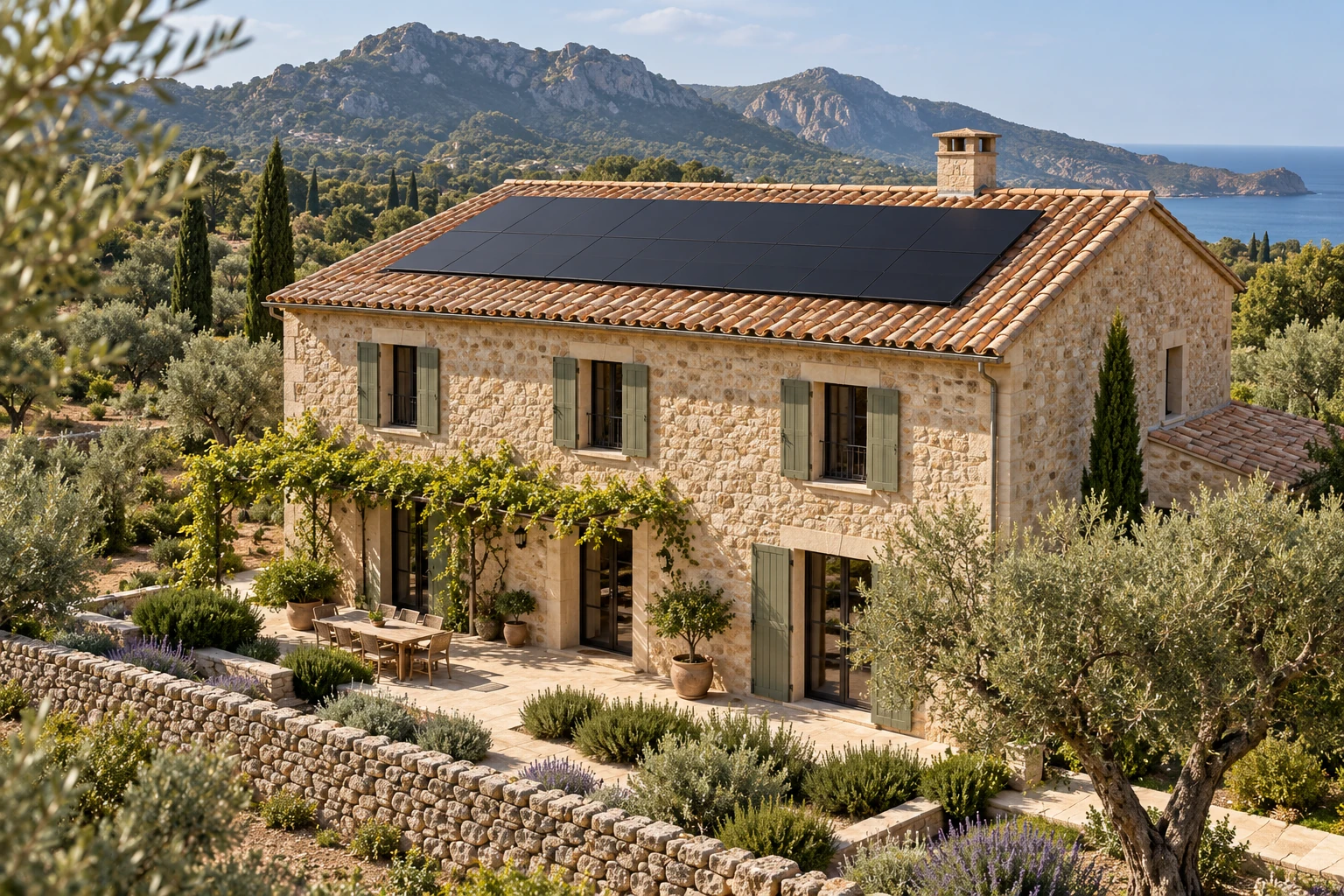
ProMount rails, hooks and clamps selected for the tiles and supporting structure, with careful roof connections.

Technical Library
Roof integration · Mounting details · Electrical system
ECOVIVA & TLS BALEAR
The roof remains the weatherproof envelope. Above it, the mounting system supports the modules and transfers loads to the structure. Electrical conversion, protection and optional storage complete the installation.
Example insulated roof build-ups. Existing roofs may have a different construction; solar installation does not automatically include new insulation or a roof renovation.
01 · ROOF INTEGRATION
A layered roof, a precise connection and a discreet array. Solar is installed above the tiles while maintaining the roof’s drainage and ventilation.
02 · ROOF INTEGRATION
Low-profile supports sit above the waterproofing. Protection pads, roof capacity, drainage and wind design determine the mounting and ballast.
Original ProMount product images from the TLS-Solutions material proposal. Final dimensions, fixing spacing, ballast and article references are specified for the installation.
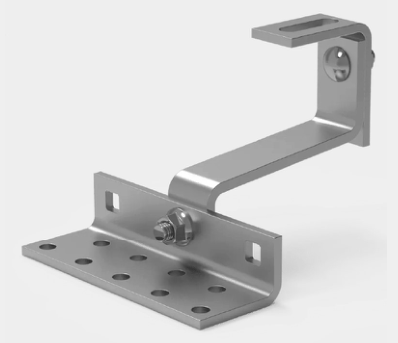
ProMount adjustable connection for pitched roofs.
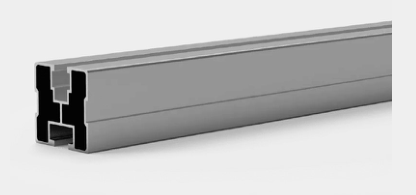
ProMount rail supporting the panel array.
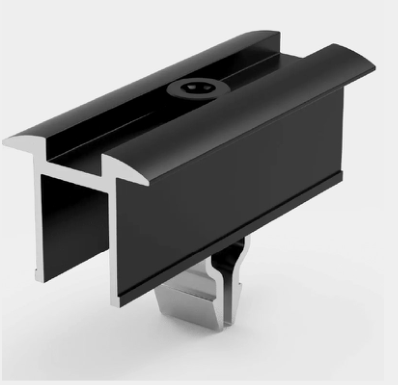
ProMount clamp between adjacent modules.
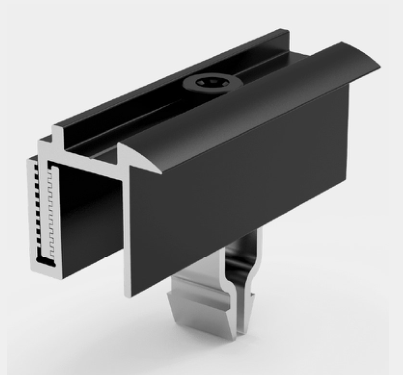
ProMount fixing at the end of the panel row.
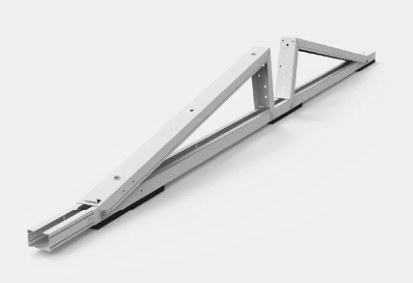
ProMount support profile for opposing module orientations.
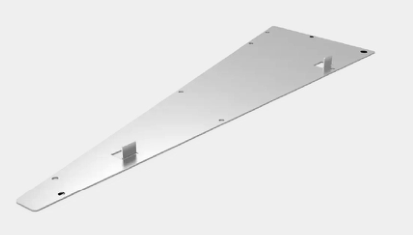
Matching side plate for the selected support layout.
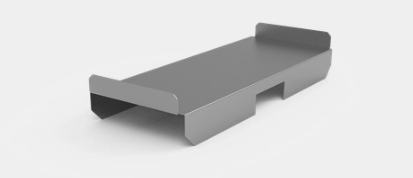
ProMount tray for the calculated ballast.
MALLORCA
A discreet installation should suit the architecture and the available space.
ProMount rails, hooks and clamps selected for the tiles and supporting structure, with careful roof connections.
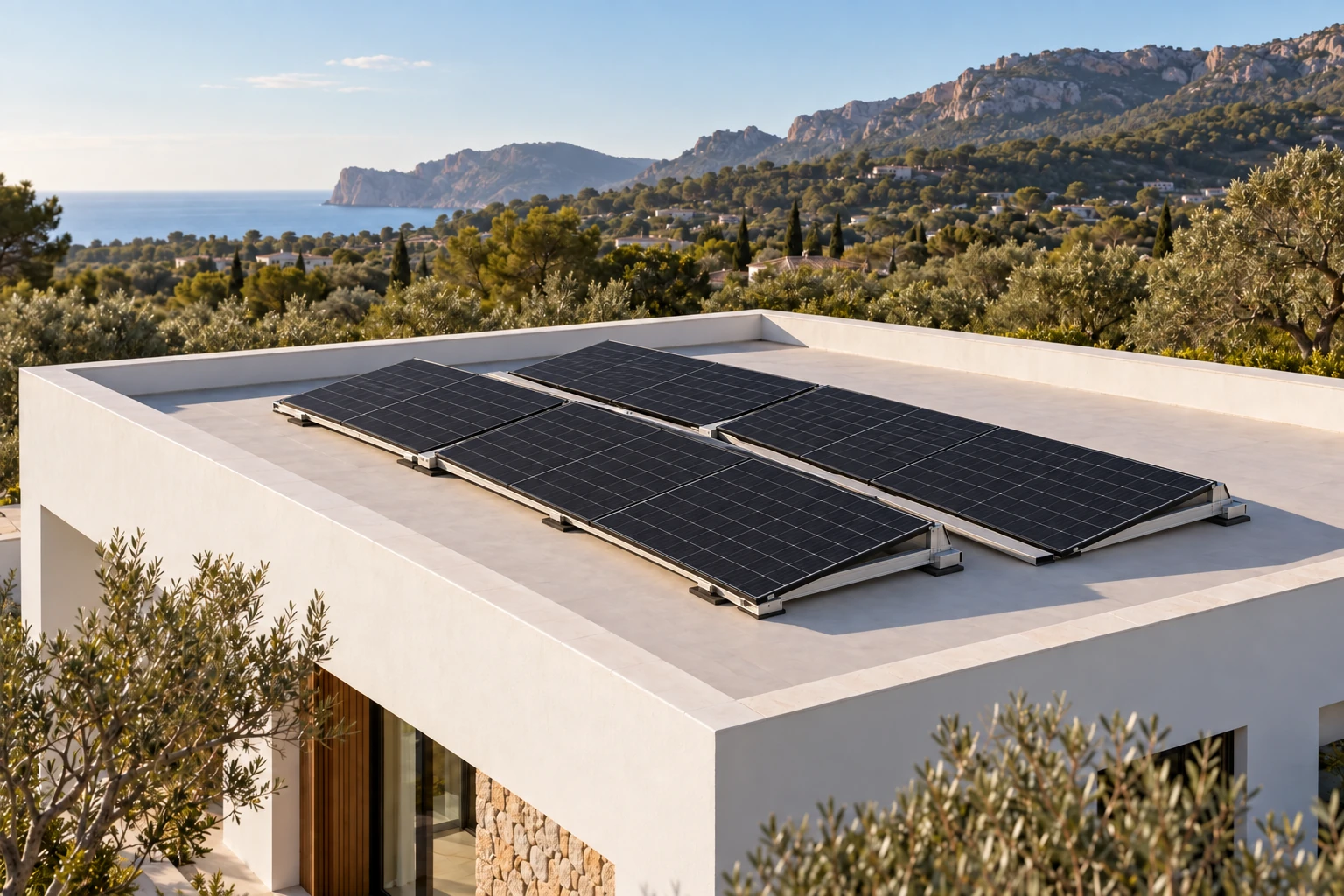
ProMount SOLARSPEED layouts, including east-west options. Roof capacity, wind loads, ballast, drainage and membrane protection determine the design.
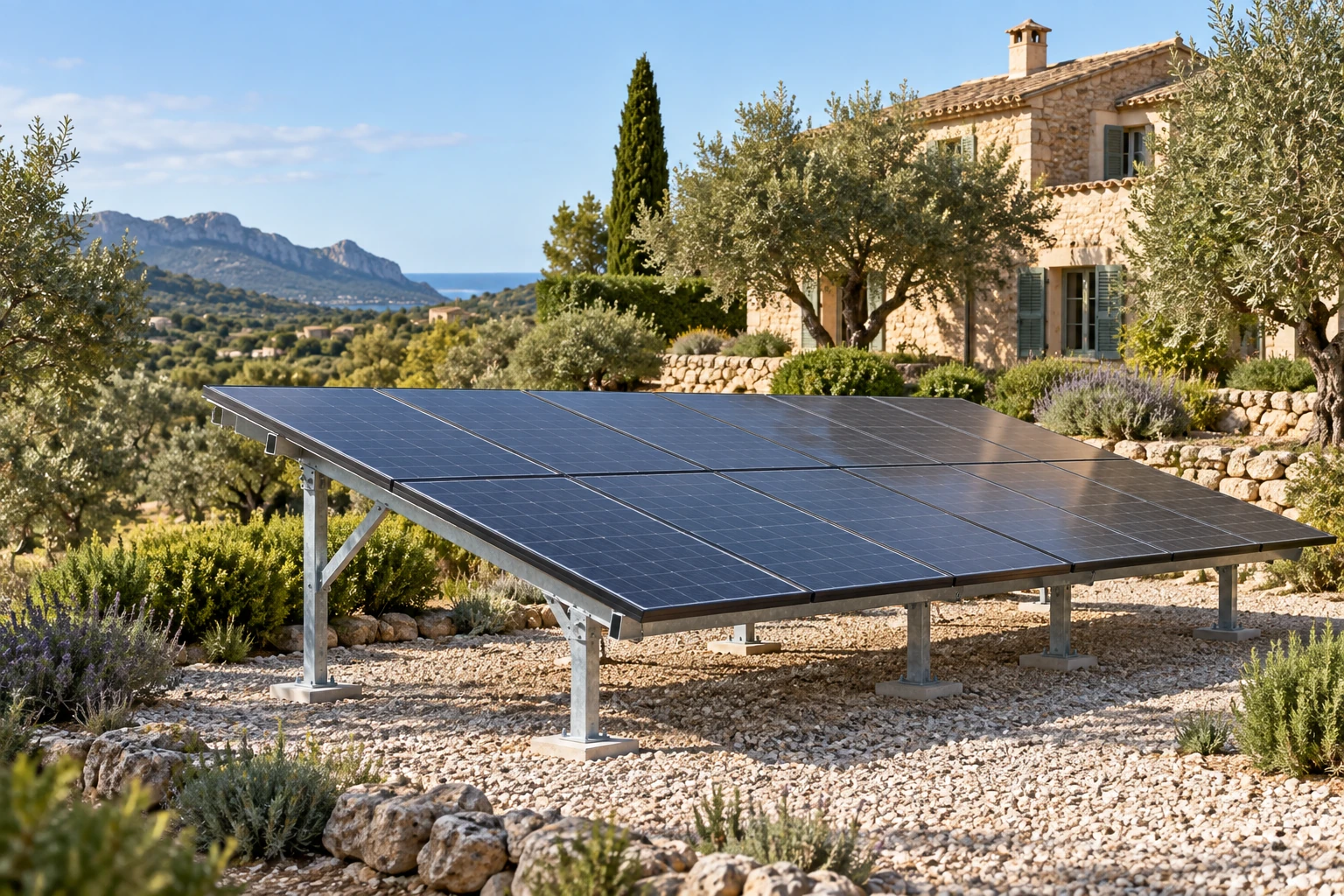
A property-specific option where roof installation is unsuitable. Structure, foundations, cable route and planning requirements are assessed separately.
Illustrative installation concepts; not completed EcoViva projects.
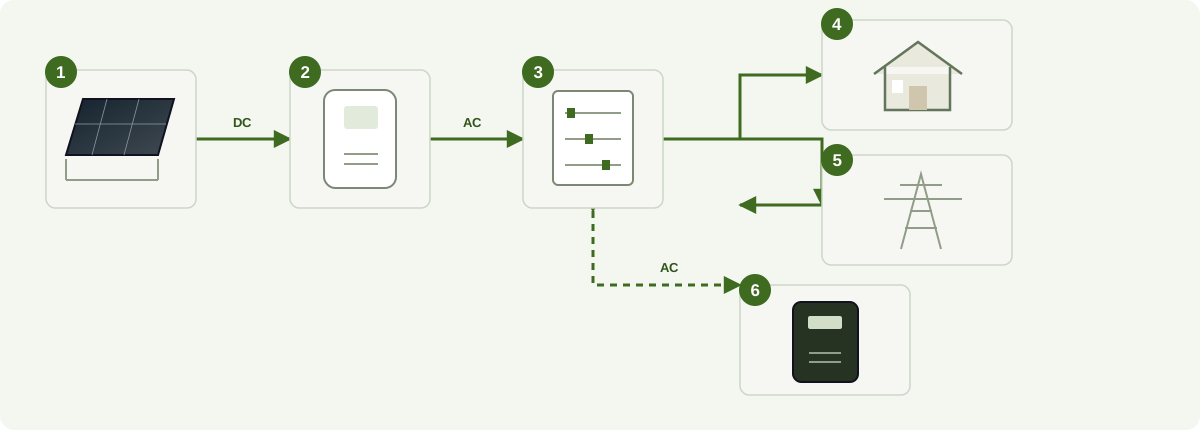
Bauer 465 Wp glass-glass modules. Layout, string voltage and current must suit the selected inverter. Connector compatibility and cable protection are checked.
A suitable Solis inverter converts DC generation to AC. The exact model, phase configuration, power and communication accessories are confirmed for the installation.
DC and AC protection, earthing, cable sizes and metering follow the installation design. Connection and certification are performed by the appointed authorised specialist.
Electricity is used by the property while it is produced. Useful system size depends on the consumption profile and occupancy.
Import, export and surplus compensation depend on the selected self-consumption arrangement, registration and electricity contract.
Marstek VENUS E is an AC-coupled storage option. Version, controls and metering are confirmed; whole-house backup is not assumed.
Tile condition, supporting structure, fixing points, roof load, membrane compatibility, drainage and maintenance access.
Layout, roof edge zones, attachment or ballast calculations and corrosion resistance for the site.
Supply phases, inverter compatibility, string design, cable routes, protective devices, earthing and measurement.
Equipment references, design scope, checks, installation certificate, registration, monitoring access and warranty documents as agreed.
Technical Library
For example packages and the installation service, see the EcoViva Solar page.